The Journey of a Name
From the mountains of the Levant to the ports of three oceans.
Rooted in the Levant
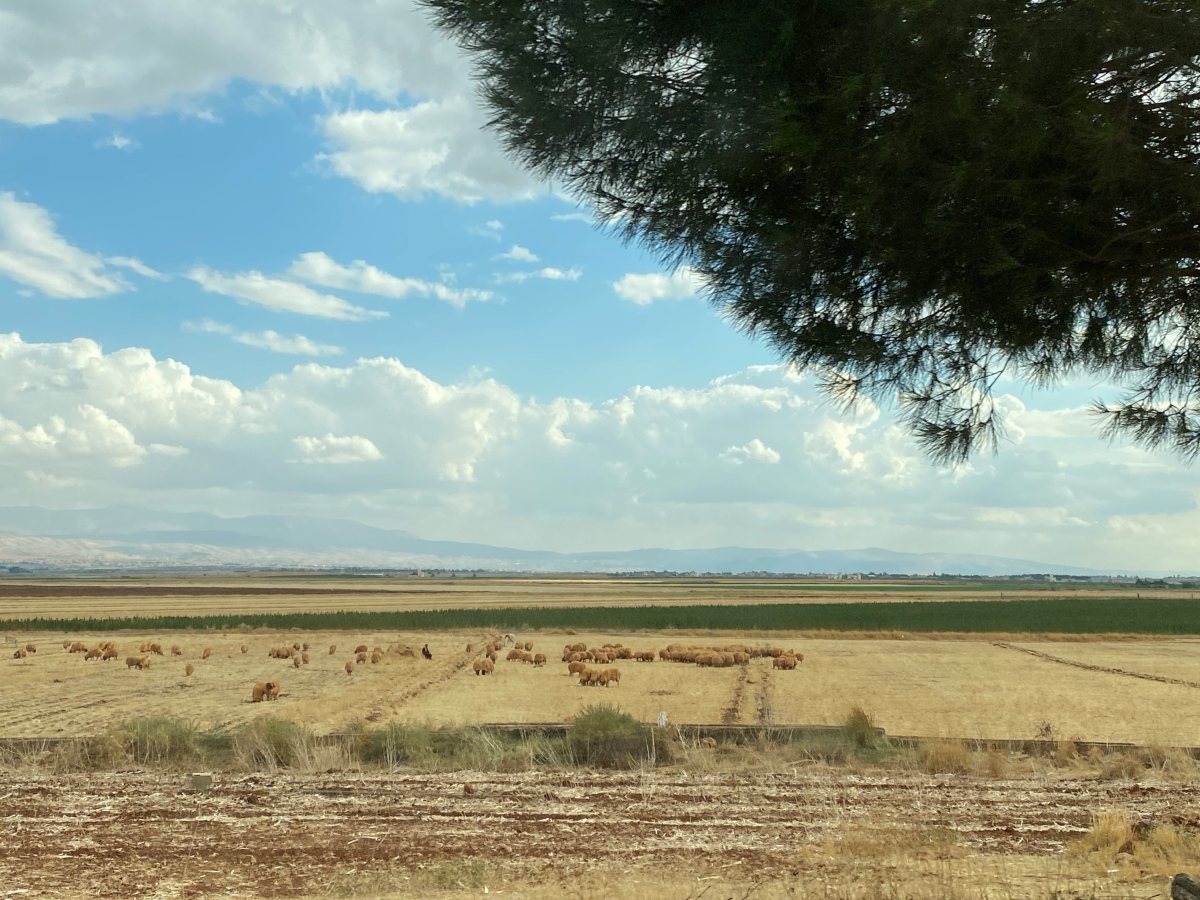
The Nassif name belongs first to the Eastern Mediterranean — to Lebanon and Syria above all. It arose the way most Levantine family names did: a respected ancestor’s given name, Nāṣif, “the just,” became the label for his whole line. Because the name honors a virtue rather than a creed, it took root across communities — the Dictionary of American Family Names records both Christian and Muslim bearers — in the villages of Mount Lebanon, the Bekaa Valley (the composer Zaki Nassif’s family hailed from Mashghara), and the cities of Syria.

Before it was a surname
The name is much older than the family names built on it. In the Ottoman Levant, Nāṣif was a given name of real consequence: Nasif al-Nassar (d. 1781), the most powerful Shiite sheikh of Jabal Amil, ruled the south from Tebnine and fell in battle against the Ottoman governor Jazzar Pasha — his descendants became Lebanon’s El Assaad political family. Nasif al-Yaziji (1800–1871) of Kfarshima became a father of the Nahda, the Arab literary renaissance — revising the landmark Arabic Bible translation, teaching at the college that became AUB, and raising children (Ibrahim and Warda al-Yaziji) who carried the renaissance forward. And Nassif Mallouf (1823–1865) of Zabbougha, a polyglot in seven languages, interpreted for Lord Raglan in the Crimean War and wrote pioneering Turkish dictionaries praised across Europe. All three carried Nassif as a first name — proof of how honored the name already was.
Hereditary surnames hardened late in the Levant, mostly in the 18th and 19th centuries, as church registers and Ottoman records fixed family names from an ancestor’s given name, trade or town. It is a fair inference — though no document names a first bearer — that today’s Nassif families descend from forebears who bore the given name Nāṣif. The name stays rooted in the Bekaa to this day: the 2014 Lebanese voter rolls record Nassif households registered in Zahle, alongside the Mashghara line that gave Lebanon its composer.

A name in the churches
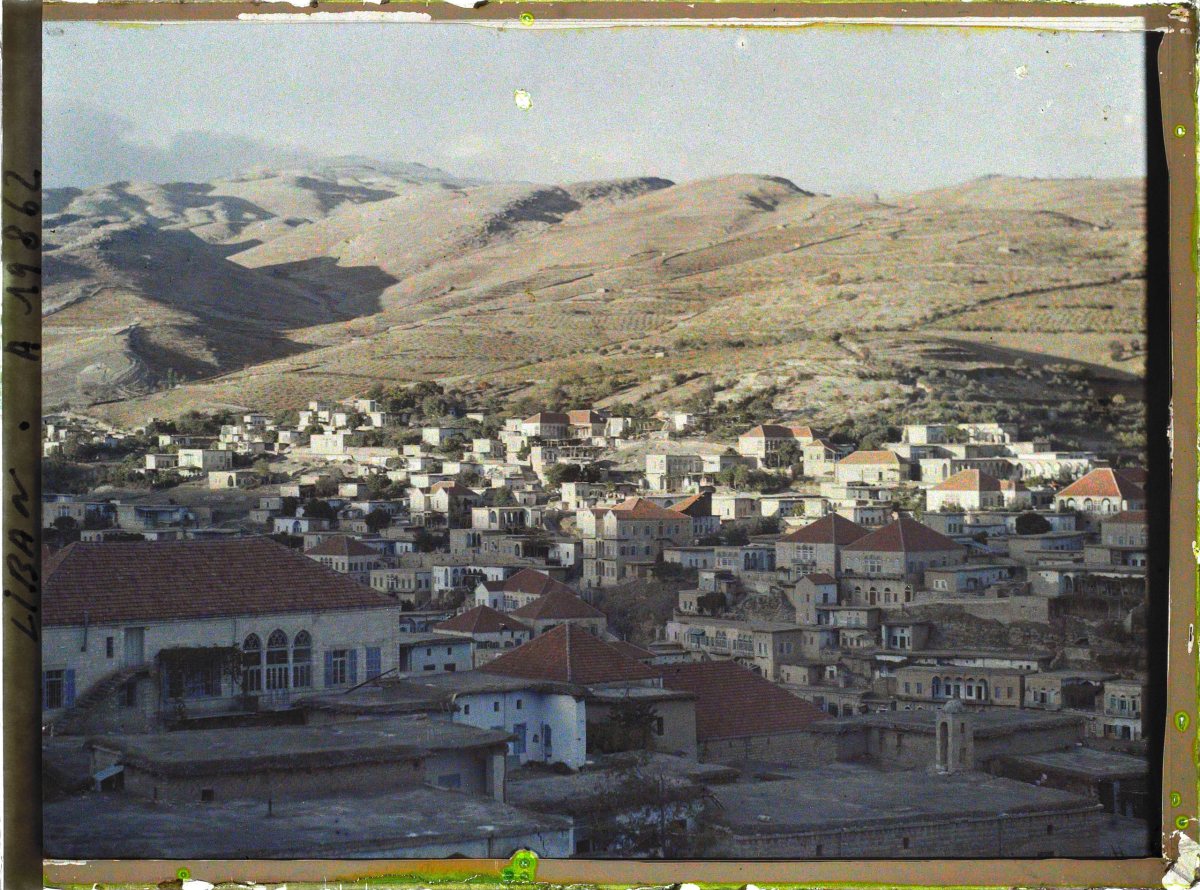
The dictionaries record that Nassif belongs to Christians and Muslims alike; its Christian story, though, runs through nearly every church of the Levant. The most consequential Christian bearer of the given name was Nasif al-Yaziji (1800–1871), born to a Melkite Greek Catholic family in Kfarshima: from 1847 he corrected and polished the great Arabic translation of the Bible begun by Eli Smith and Butrus al-Bustani and completed under Cornelius Van Dyck — printed in Beirut in 1865, and a standard Arabic Bible from that day to this.
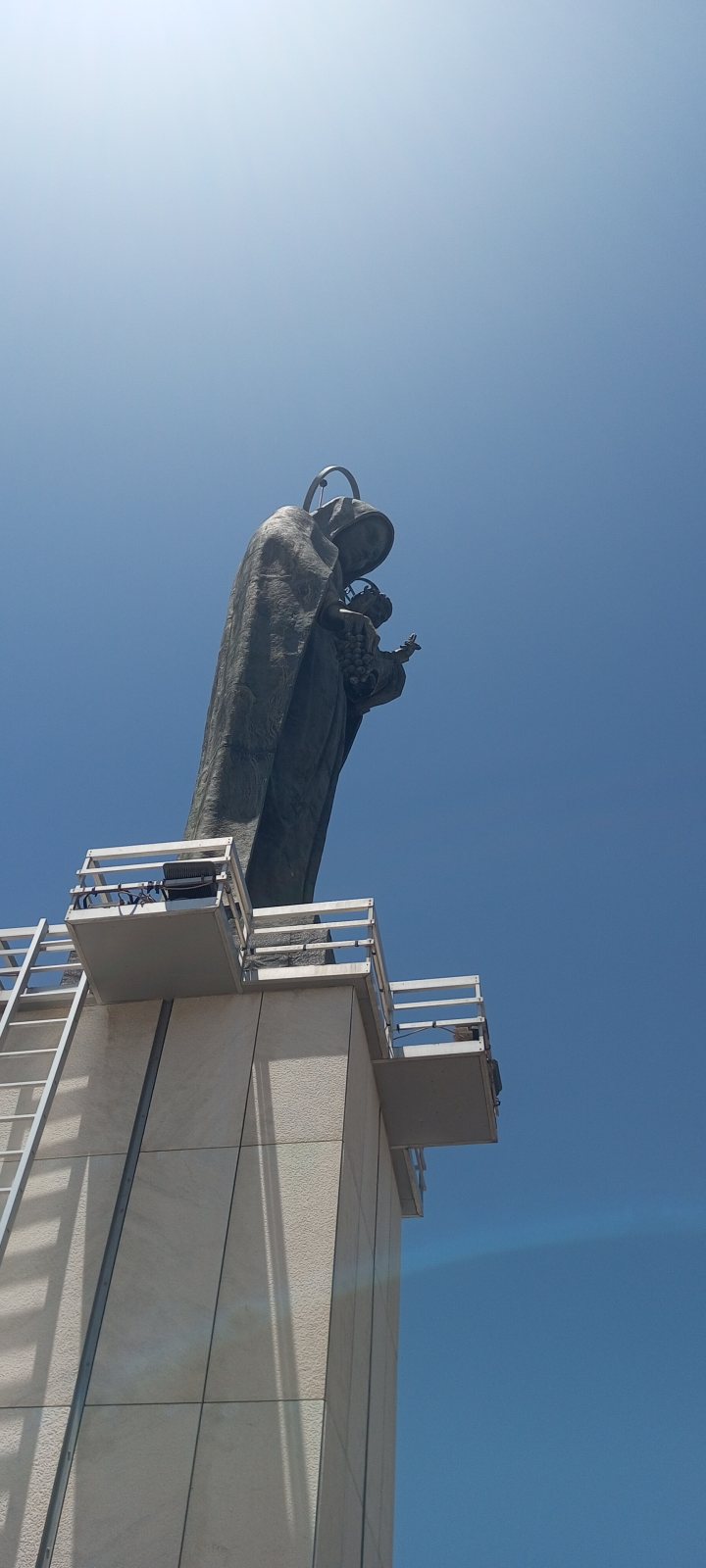
The surname’s Christian bearers span the communions. Antiochian Orthodox: Ambassador Thomas Nassif was raised in Cedar Rapids’ Lebanese Orthodox community, whose historic parish — St. George Orthodox Church, founded 1914 — houses the Michael G. Nassif Education and Cultural Center today; the theologian Fr. Gabriel (Bradley) Nassif grew up in a Lebanese Orthodox parish in Wichita; and in Syria, the singer Nassif Zeytoun carries the given name from a Greek Orthodox family of Khabab. Maronite: in Minnesota, John Nasseff (1924–2018) — a son of Lebanese immigrants from St. Paul’s Maronite West Side — gave some $2 million to expand St. Maron’s Maronite church in Minneapolis. Melkite Greek Catholic: al-Yaziji’s own church — and Zahle’s, the Bekaa town where Nassif households remain registered, watched over by the tower of Our Lady of Zahle. Syriac Catholic: the Beirut lawyer Chafic Nassif, a co-founder of the Kataeb Party in 1936, twice won Beirut’s parliamentary seat for minorities. And in Roman Catholic religious life, Sr. Rosemarie Nassif of the School Sisters of Notre Dame led two American universities.
A caution in this site’s spirit: none of this makes Nassif “a Christian name.” The same dictionaries record Muslim bearers from Beirut to Jeddah to Cairo — the name honors a virtue, not a creed, which is exactly why every community could carry it.

A merchant house on the Red Sea
The name’s reach within the Ottoman world was wide. In the Hejaz — the Red Sea coast of today’s Saudi Arabia — the Nasseef family stood among Jeddah’s leading merchant households. (They write the name نصيف — a Hejazi cousin of the Levantine ناصيف that meets it in Latin letters.) Their patriarch Omar Nasseef Effendi — a leading merchant and one of Ottoman-era Jeddah’s foremost notables, whom later accounts sometimes style the city’s governor — raised a grand residence on the old city’s main street between 1872 and 1881. Nasseef House still stands: four floors, some forty rooms, latticed rawashin windows — and, famously, the neem tree at its door, long described as the only tree in Jeddah. When Abdulaziz Ibn Saud, founder of Saudi Arabia, took the city in December 1925, it was in the Nasseef house that he stayed. Today the house is a museum at the heart of Historic Jeddah, a UNESCO World Heritage district.
Why they left
The chapter that scattered the name across the globe began in the 1880s. Mount Lebanon’s economy leaned heavily on silk, and when cheaper Asian silk flooded European markets — the crisis peaking around 1890 — the mountain’s peasant economy buckled. The population of Mount Lebanon had roughly doubled between the 1860s and the eve of the First World War — from perhaps a quarter million to well over 400,000 — far outpacing the land’s ability to feed and employ its people. Bad harvests bankrupted families who had borrowed against future crops.
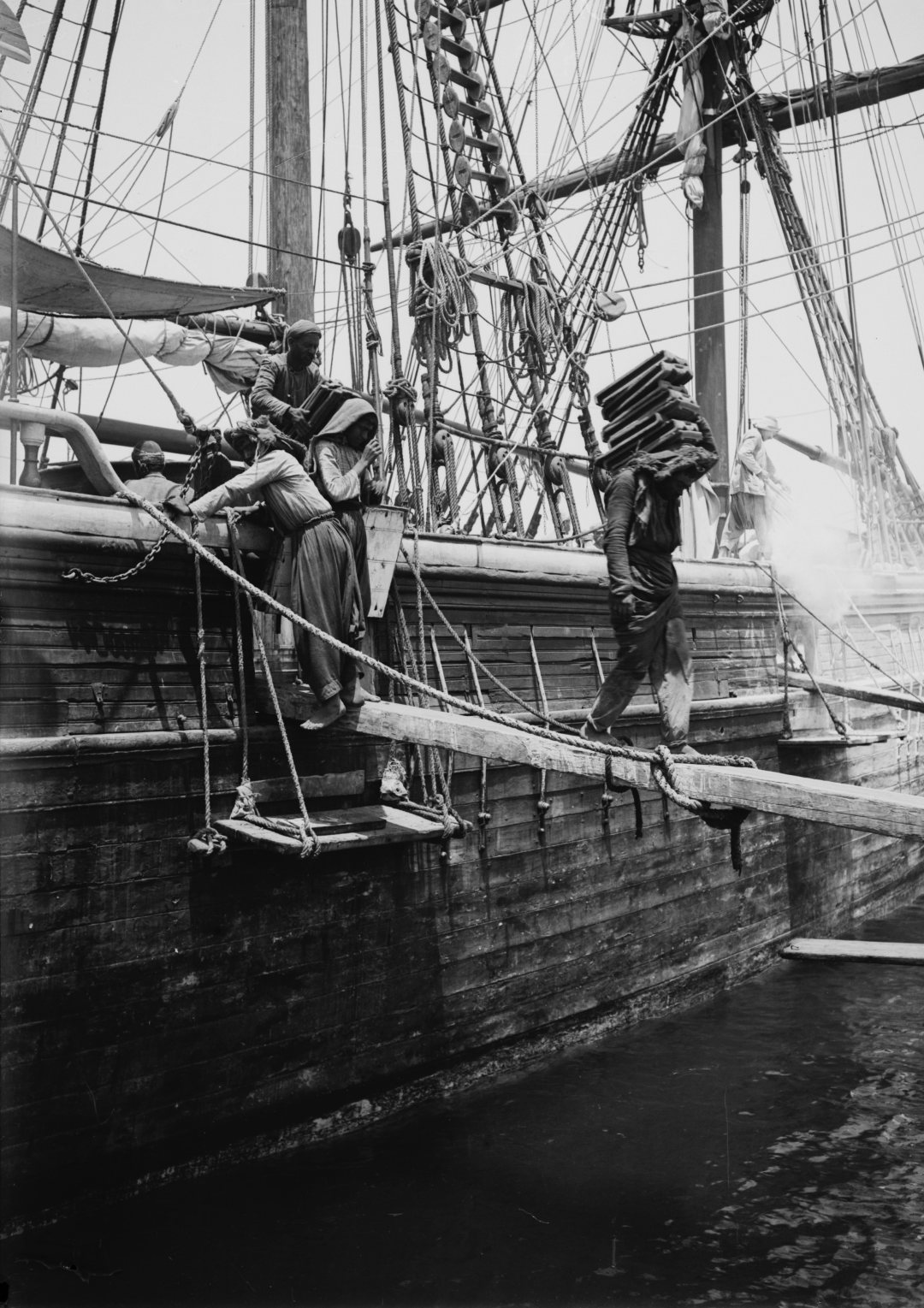
So they left — through the port of Beirut, aboard Mediterranean steamers to Marseille or Genoa, then onward by transatlantic liner to New York, Santos or Buenos Aires. By scholarly estimates, roughly half a million Arabic-speaking migrants from the Ottoman Levant reached the Americas between 1880 and 1924, the majority of them Christians from the Lebanese mountain. (A few, sold cheaper passage at Marseille, were landed in West Africa instead — and founded that continent’s Lebanese merchant communities.) The First World War brought horror to those who stayed: an Allied blockade at sea, an Ottoman blockade and requisitions on land, and a plague of locusts combined to cause a famine that killed as much as a third of Mount Lebanon’s people, driving a further wave of departures after 1918. When the United States narrowed its doors with the Johnson–Reed Act of 1924, the stream turned toward Brazil — whose open ports made it a primary destination — as well as Argentina, West Africa and Australia.

Where they landed
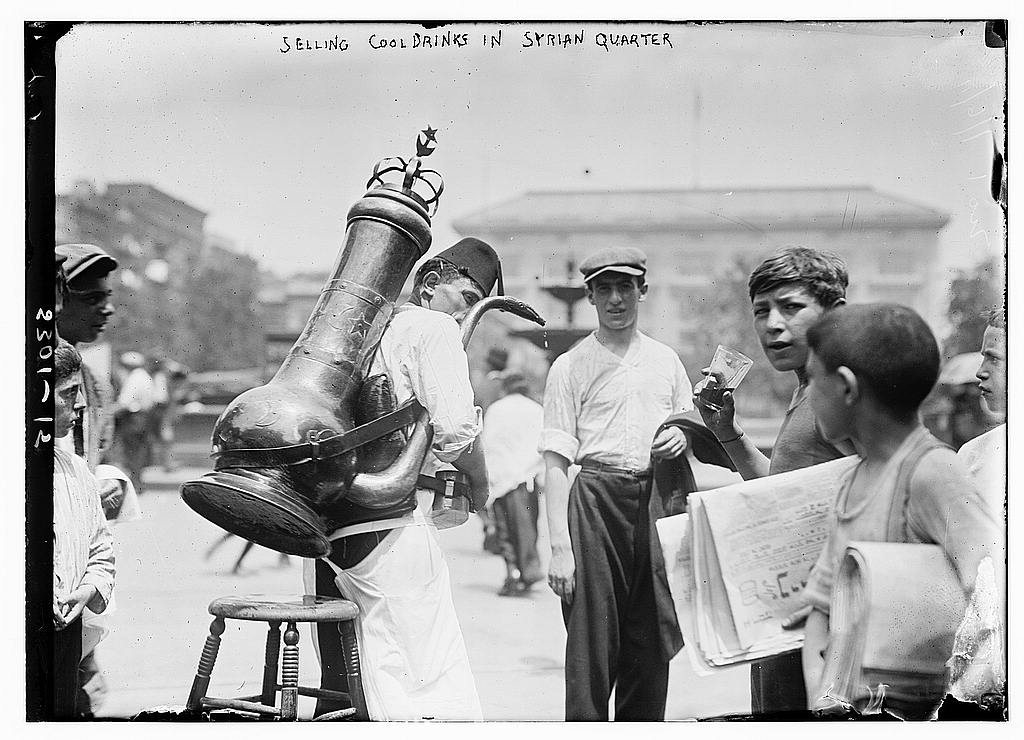
Nassif families put down roots wherever the steamships called. The classic first trade was peddling: through hubs like New York’s “Little Syria” on Washington Street, established compatriot wholesalers staked newcomers with a pack of notions, linens and Holy Land goods, and a web of peddling routes spread the community from New England mill towns to the Midwest. Thomas A. Nassif, later a U.S. ambassador, was born in Cedar Rapids, Iowa, in 1941 — one of America’s oldest Levantine communities — where his father, who left Lebanon’s Bekaa Valley in 1924, had begun by bartering dry goods with Iowa farmers. The current never stopped: one Cedar Rapids restaurant family, the Nassifs of the village of Ain Arab, arrived as recently as Christmas Eve 1958. In Brazil, home of the largest Lebanese diaspora anywhere, the name became prominent in journalism through Luís Nassif and his sister Maria Inês Nassif. In France the community is newer still — three quarters of French Nassif births on record came after 1965, the civil-war exodus years — and in Australia, in Canada and across Latin America, the surname — under its several spellings — marks the same migration.
Emigration did not empty the name from its homeland. Money sent home became Mount Lebanon’s largest single source of income by 1914; letters, marriages and returning sons kept village and diaspora bound together. Nassifs remain in Lebanon and Syria today — while the census rolls of the United States alone count some 1,400 people carrying the name.
How many Nassifs are there worldwide? It depends on who is counting — and how they romanize Arabic. Global name databases put the figure anywhere between roughly 36,000 and 73,000, with the largest clusters in Egypt (mostly the cousin spelling ناصف), Syria, Lebanon and Brazil. Two numbers are solid: in Lebanon roughly one person in six hundred carries the name — about the 82nd most common surname in the country (2014 estimate) — and the U.S. Census counted exactly 1,385 Nassifs in 2020, up 37% since 2000. Details and sources on the sources page.


-
1781
A sheikh named Nasif
Nasif al-Nassar, the most powerful Shiite sheikh of Jabal Amil and an early famous bearer of Nasif as a given name, falls in battle against the Ottoman governor Jazzar Pasha at Yaroun. His descendants become Lebanon’s El Assaad political family.
-
1800
A scholar named Nasif
Nasif al-Yaziji is born in Kfarshima, Mount Lebanon. He becomes a father of the Arab literary renaissance — and lends the given name Nasif a scholar’s prestige a generation before it hardens into a surname.
-
1872
A house rises in Jeddah
Construction begins on Nasseef House on Suq al-Alawi street for Omar Nasseef Effendi, leading merchant notable of Jeddah and head of one of the city’s wealthiest families.
-
1881
Nasseef House completed
Nine years in the building: four floors, roughly forty rooms, carved rawashin lattices — a Red Sea landmark bearing the family name to this day.
-
c. 1880
The great migration begins
Levantine emigrants start leaving through Beirut for the Americas. Over the next four decades an estimated half a million people from the Ottoman Levant make the crossing.
-
1890
The silk crisis
Cheaper Asian silk floods Europe and Mount Lebanon’s silk economy collapses, bankrupting farming families and accelerating the exodus that carries the Nassif name abroad.
-
1914–18
War and famine
A wartime blockade brings famine that kills as much as a third of Mount Lebanon’s population — grief that propels another wave of emigration after the armistice.
-
1916
Zaki Nassif is born
In Mashghara, in the Bekaa Valley, the future father of Lebanese folk song is born on 4 July to a merchant family.
-
1924
America narrows, Brazil beckons
The U.S. Johnson–Reed Act sharply restricts immigration; the Levantine stream turns toward Brazil, Africa and Australia, planting the name on new continents.
-
1925
A king in the family house
After the siege of Jeddah, Abdulaziz Ibn Saud enters the city and takes up residence in Bayt Nasseef, receiving statesmen and dignitaries at the house for roughly a decade.
-
1934
Mother Mosque of America
Cedar Rapids’ Levantine community — the same community the Nassifs of Iowa belong to — completes the oldest still-standing purpose-built mosque in the United States, a National Register landmark since 1996.
-
1950s
The golden age of Lebanese song
Zaki Nassif and the “League of Five” bring a new, proudly Lebanese school of music to radio and the Baalbeck Festival stage, fusing village dabkeh with modern orchestration.
-
1985
An ambassador’s appointment
Thomas A. Nassif — whose father emigrated from Lebanon’s Bekaa Valley to Iowa in 1924 — is named United States Ambassador to the Kingdom of Morocco by President Reagan.
-
2004
Farewell to a composer
Zaki Nassif dies in March, mourned as a father of Lebanese folk music; the American University of Beirut preserves his roughly 1,100 works through a program in his name.
-
2014
World heritage
UNESCO inscribes Historic Jeddah — with Nasseef House among its centerpiece landmarks — on the World Heritage List.
-
2020
The name today
The U.S. Census surname file counts 1,385 Americans named Nassif — up from 1,232 in 2010 and 1,009 in 2000 — while the wider family of spellings spans Lebanon, Brazil, France, Australia and beyond.
The people behind the name
Composers, surgeons, diplomats, journalists, educators, champions.